Did you know that you share your home with some amazing animals? While you may not have any pets of your own, if you live near any type of wild spaces — think forests, wetlands, or even large fields — then you also live near wildlife. According to the Environmental Protection Agency, more than 1,300 species in the United States are either threatened or endangered, and one of the best ways to protect the animals we share nature with is to learn about them. This is because when people understand the animals that live nearby, including what they look like and why they matter, they’re likely to care for them and keep them safe.
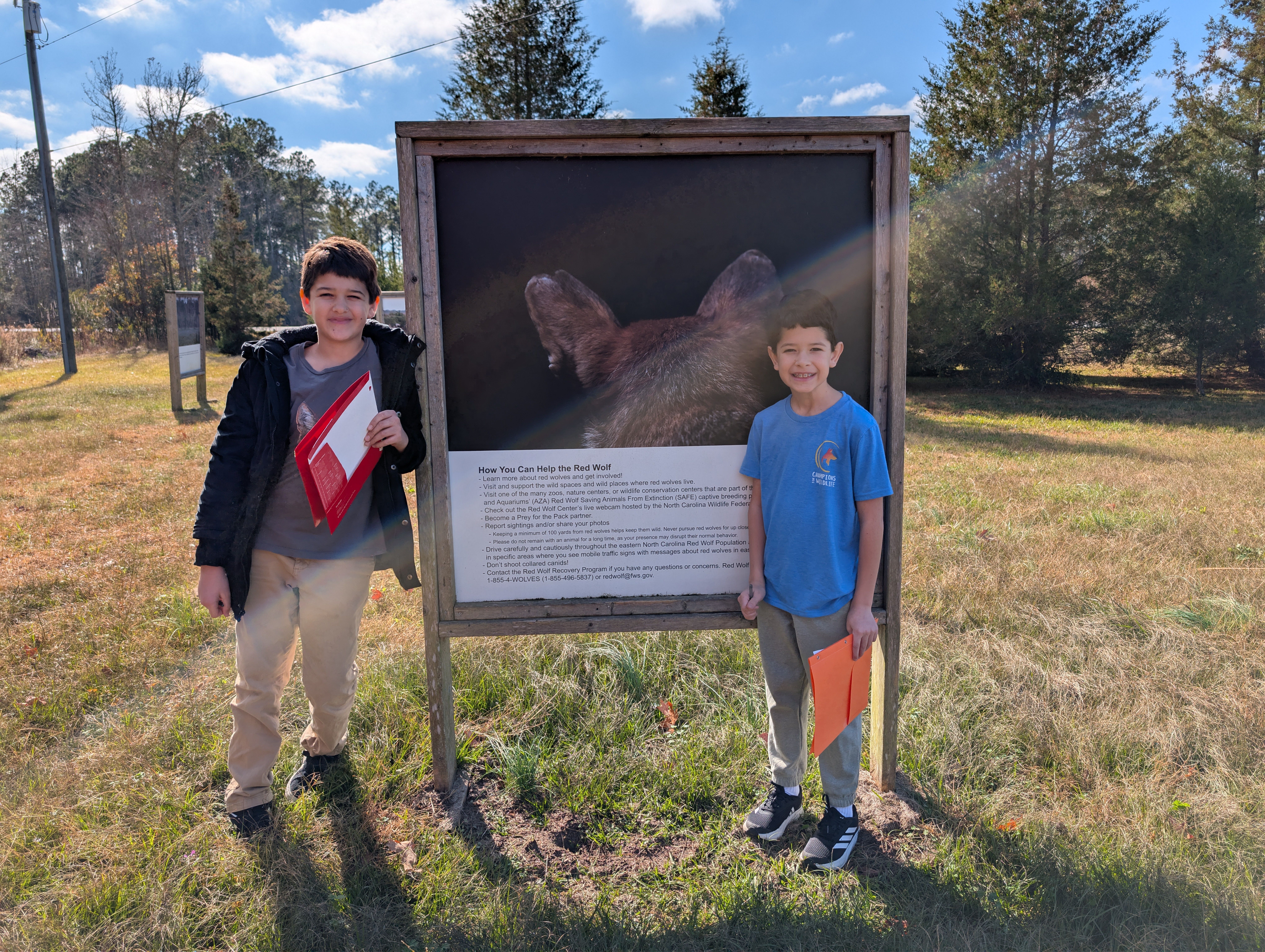
That’s exactly what inspired a “fact-finding safari” to learn more about one of North America's rarest animals for two young Champions for Wildlife Ambassadors. Cai and Eli recently visited the Red Wolf Center in their town, during which they carefully wrote down facts about the American Red Wolf that they could share with others.
Meet the Red Wolf
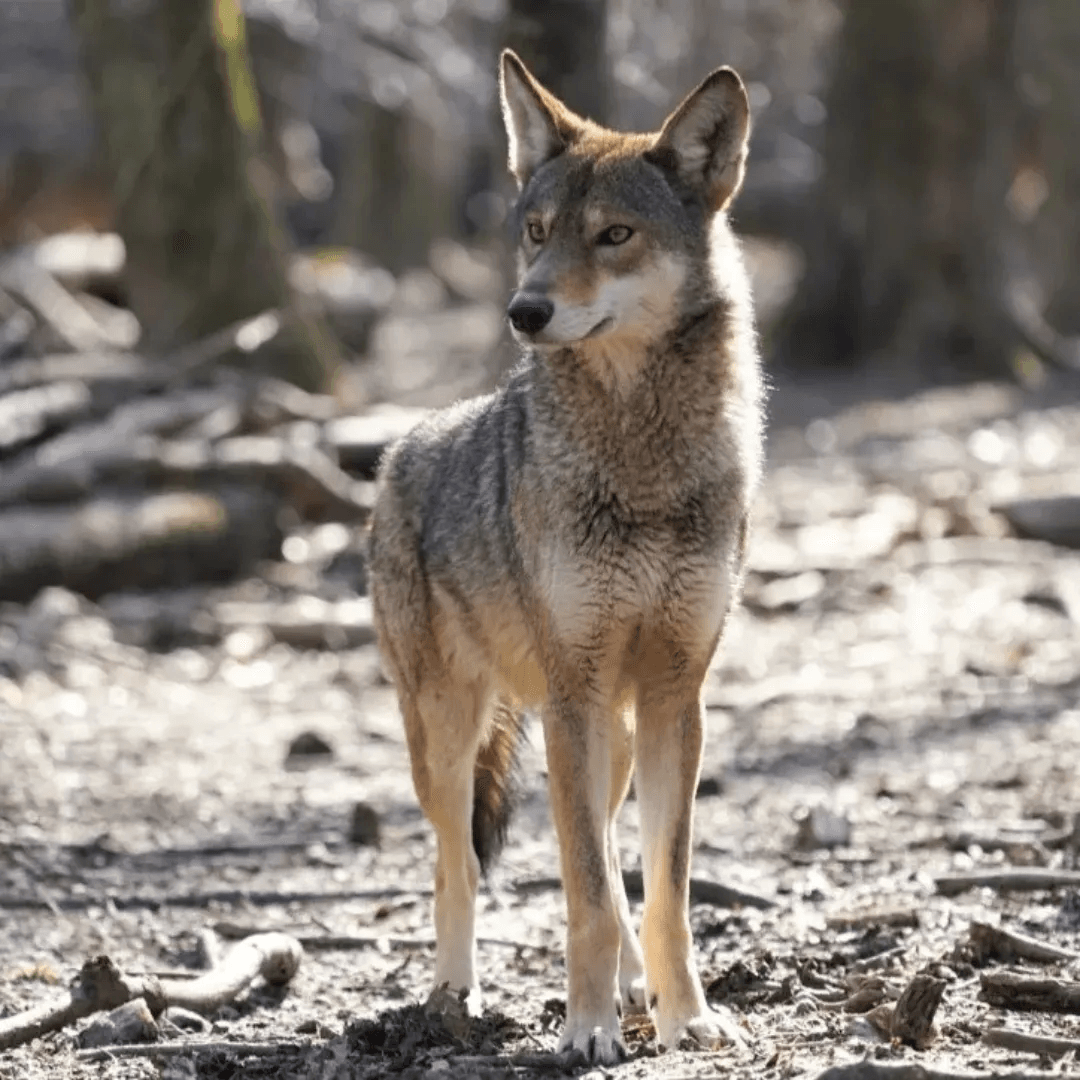
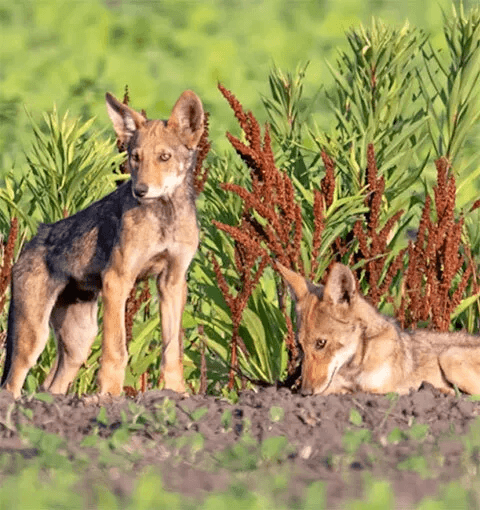
The Red Wolf (Canis rufus) is a critically endangered wolf species, with less than 30 individuals living in the wild. Although they can look similar to coyotes, especially as puppies, they are larger, growing up to around 4 feet long and weighing as much as 80 pounds. They also come in a variety of fur colors despite having red in their name, including brown, buff, tan, gray, or a reddish brown.
Even though they don’t look exactly the same as a coyote, because they are so similar, they are sometimes mistaken for coyotes and shot. As a result, many Red Wolves wear orange collars to help distinguish them, and hunting Red Wolves is illegal. Still, many Red Wolves are killed by humans and cars, which is why some people use mobile highway signs to warn drivers that these incredible wolves live there.
Along with being an important native species in need of our help, Red Wolves are also interesting, with unique behaviors that help them standout. For example, did you know that Red Wolves can stand on their hind legs when they hunt? This helps them better understand their surroundings, whether they’re on the prowl for their next meal or simply curious about what’s going on around them.
How You Can Help Wildlife, Too
Cai and Eli’s recent fact-finding adventure is a perfect example of how you can help the wildlife around you. By turning your curiosity about an animal into learning, and then learning into sharing, Cai and Eli are helping to raise awareness not only about the Red Wolves themselves but why they’re in need of our help. Then, as more people learn about Red Wolves, they’re more likely to recognize them in the wild, follow the guidelines and laws that keep them safe, and share that knowledge with others around them. This creates a ripple effect, where just one person learning and sharing about local wildlife helps protect it.
Cai and Eli aren’t the only ones getting involved, either. Two other ambassadors, McKinley and McCoy, recently visited a hellbender statue at the North Carolina Zoo created by Champions for Wildlife’s very own Dale Weiler. While visiting, they were able to learn all about this important native species.
Cai and Eli’s fact-finding safari, as well as McKinley and McCoy’s art adventure, shows that anyone can learn, help, and care about animals. When people near wild spaces understand their unique furry (or slimy) neighbors, they can become better ambassadors for wildlife. Whether that means learning more about how you can get involved with conservation efforts — like one sixth-grader who helped relocate at-risk box turtles — or teaching your friends and family about native wildlife, small actions can make a big difference for endangered species like the Red Wolf.