Blog by Emma Hanna, Wildlife Educator
Polk Central third graders turn turtle knowledge into wildlife awareness stickers
Champions for Wildlife and Polk Central Elementary recently teamed up for a project that combined science, creativity, and conservation in a way students will not soon forget.
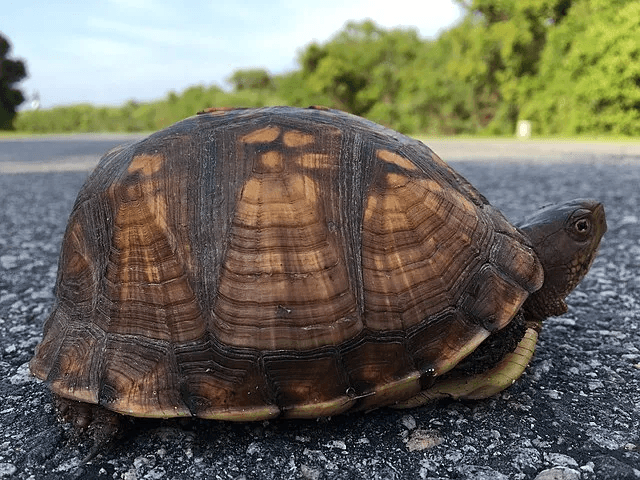
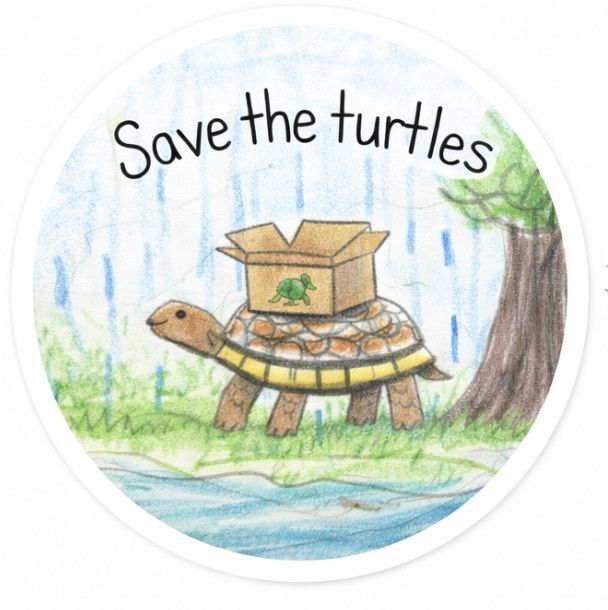
After spending six weeks learning about Eastern Box Turtles through a Turtle Tuesdays project-based learning series, third-grade students took what they learned and transformed it into something they could share with the community – wildlife awareness stickers.
Champions for Wildlife’s mission centers on three simple ideas: Explore. Create. Protect.
This project gave students the opportunity to do all three, combining knowledge with art to promote awareness of one of North Carolina’s most recognizable native reptiles.
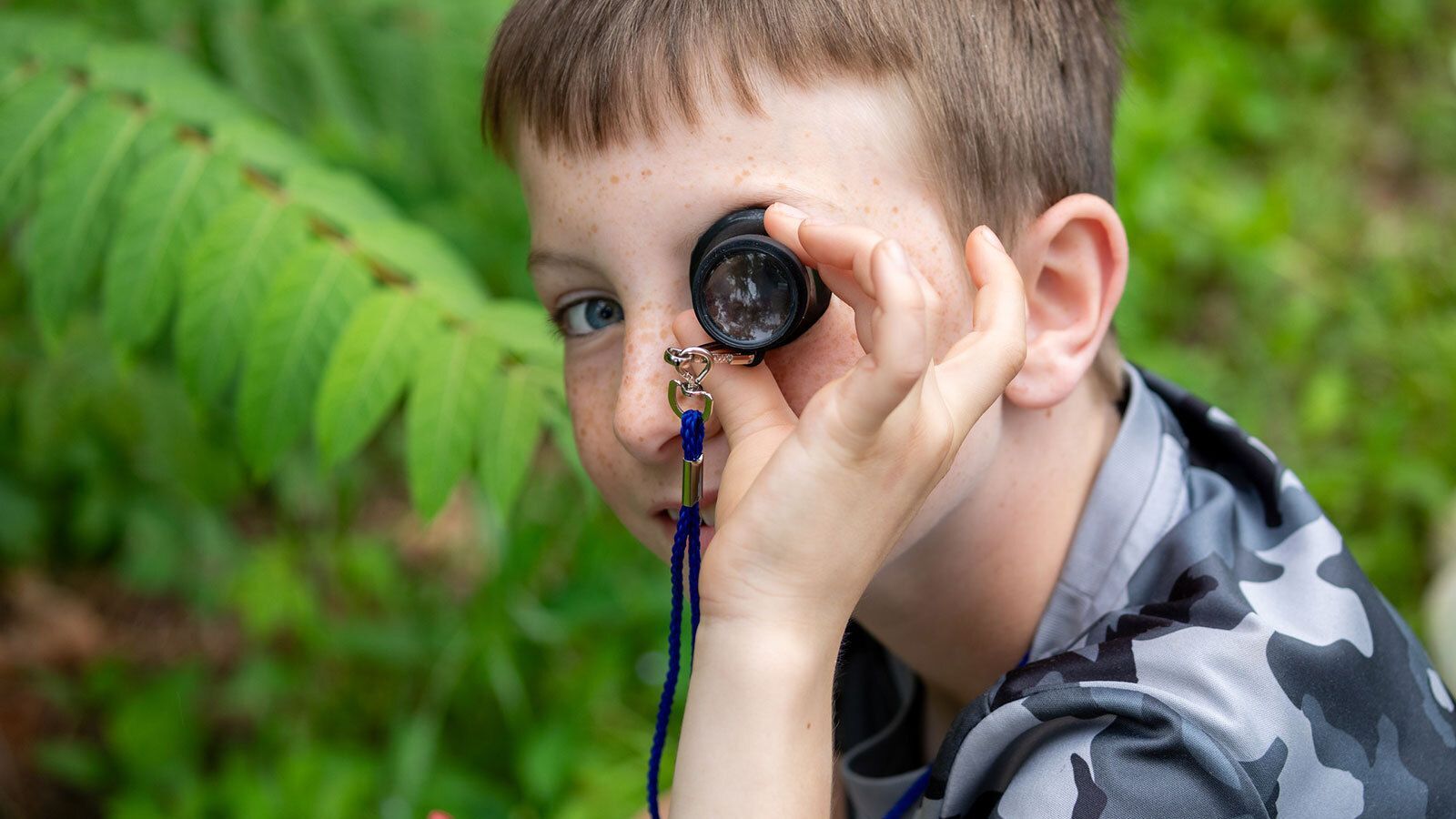
Throughout the project, students worked on nature journaling, outdoor exploration on their school’s nature trails, and art activities centered around the Eastern Box Turtle. They learned about box turtle habitats, behaviors, and the challenges these animals face in the wild, including fascinating facts such as how box turtles navigate using an innate internal compass and how removing a turtle from its habitat can leave it searching for home for the rest of its life.
The idea for the sticker project came from Polk Central teacher Rebekah Morse’s Kenan Fellowship experience with Blue Ridge Power. During her fellowship, she noticed workers wearing stickers on their hard hats to represent completed training and projects to which they had contributed – symbols of ownership, teamwork, and pride. That experience inspired her to recreate a similar concept with students following their six-week turtle unit.
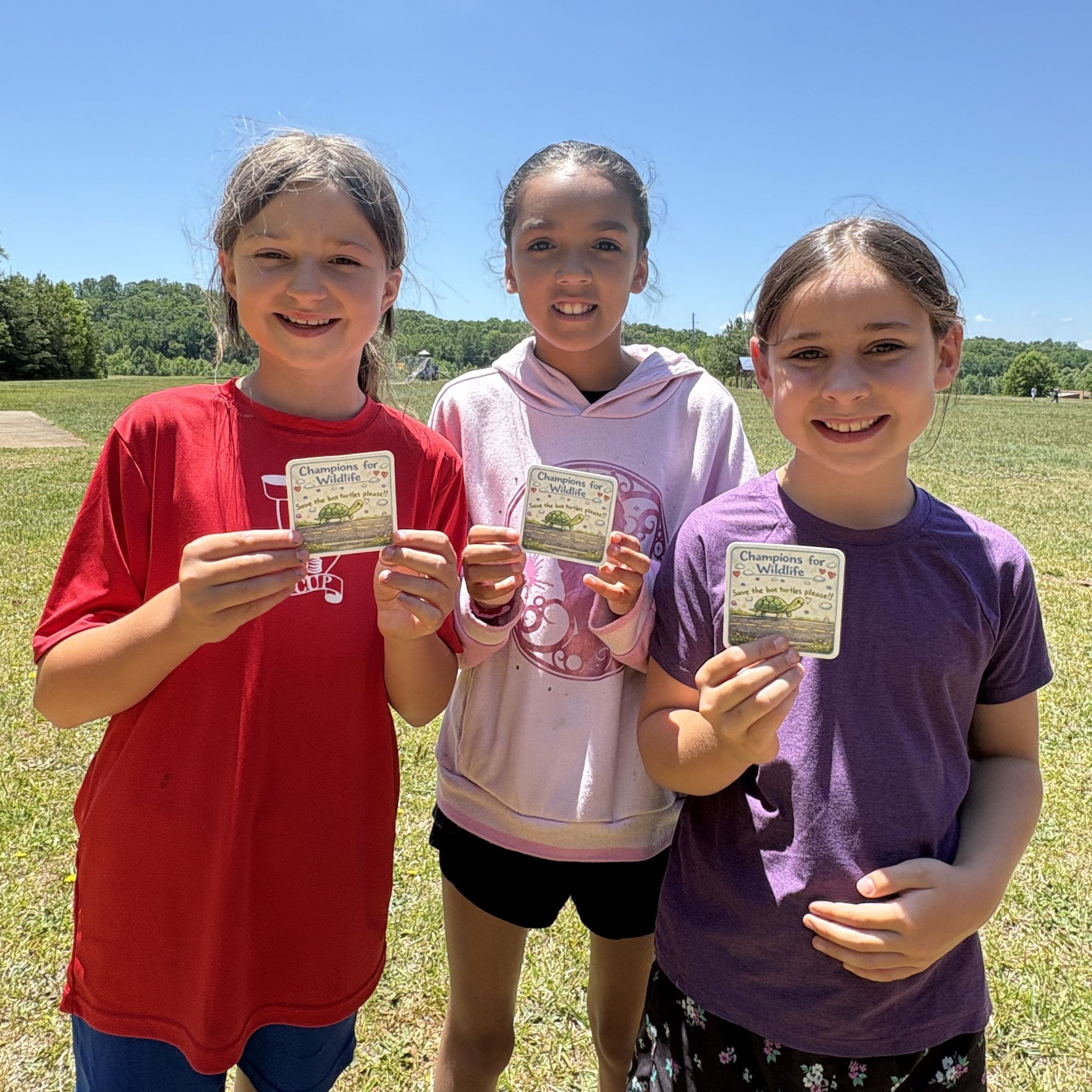
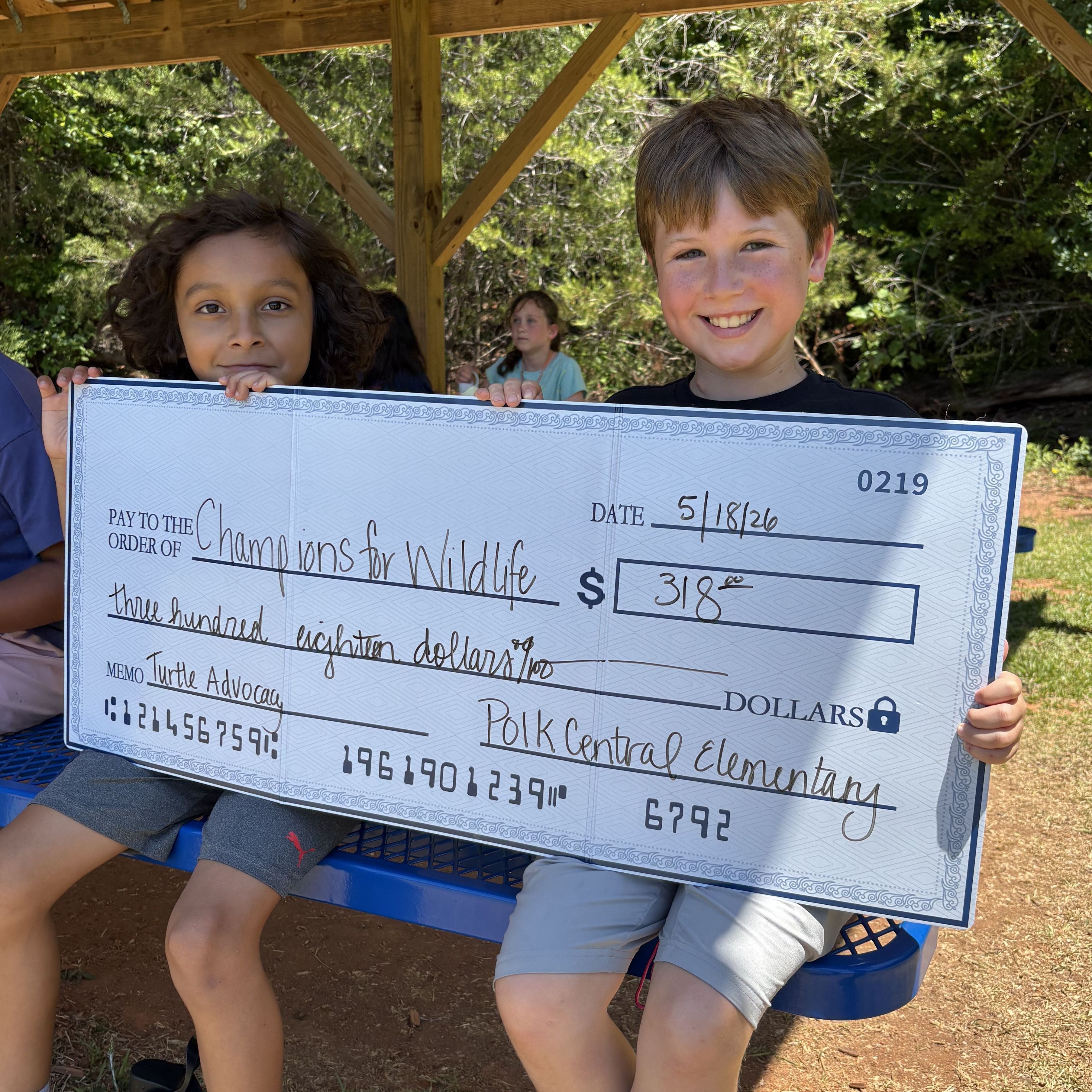
Students worked in groups to design stickers highlighting important facts about box turtles, participating in mock marketing presentations, brainstorming sessions and multiple rounds of artwork refinement. Their designs, featuring details such as the distinctive red eyes of male box turtles and the rainy-day conditions when turtles are most active, were eventually turned into professionally printed stickers sold to raise funds for Champions for Wildlife.
What makes the project so special is that students weren’t just learning about wildlife, but they were becoming advocates for it. By combining science, reading, art and real-world problem solving, they discovered that even small creative projects can educate others and make a difference in the community.