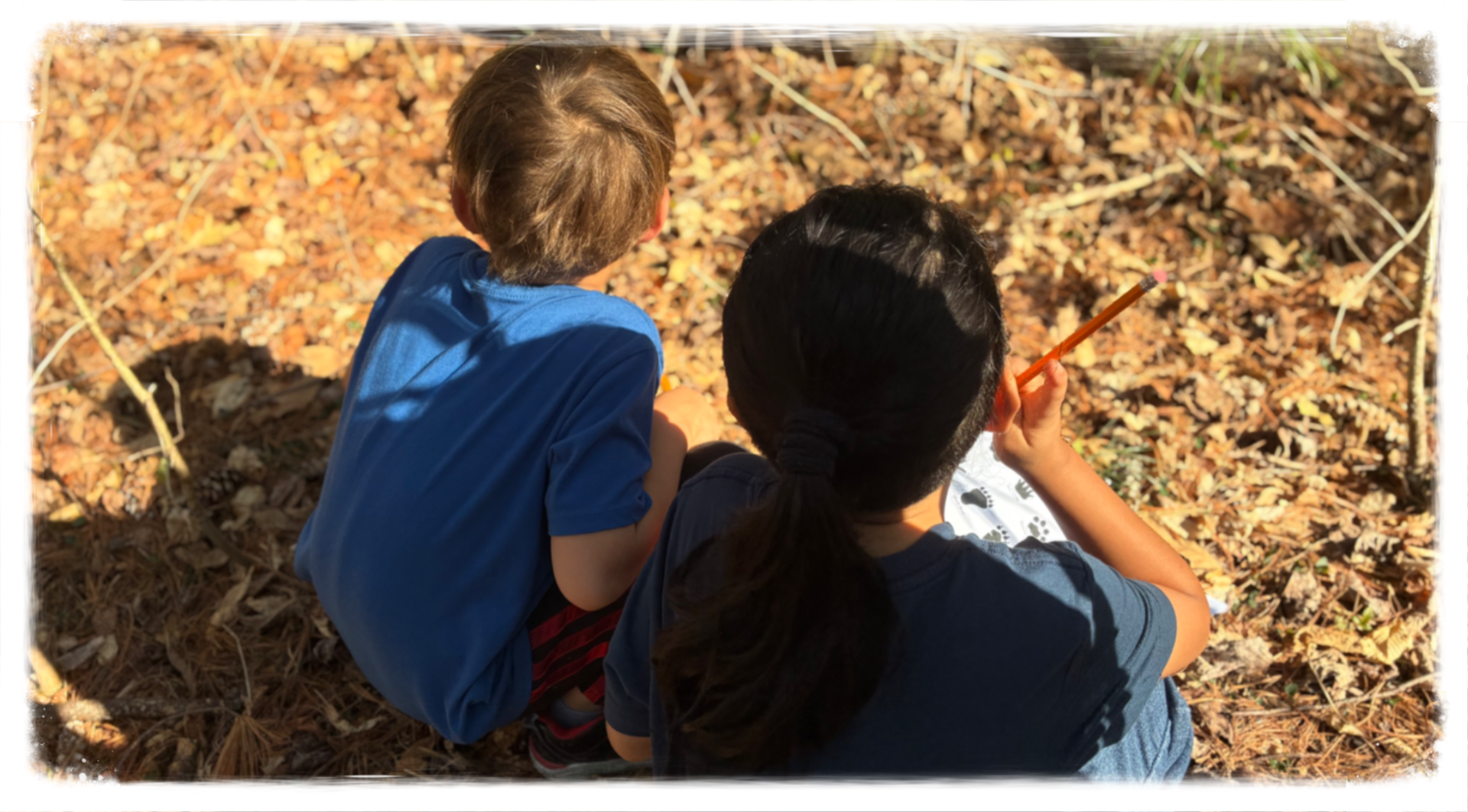
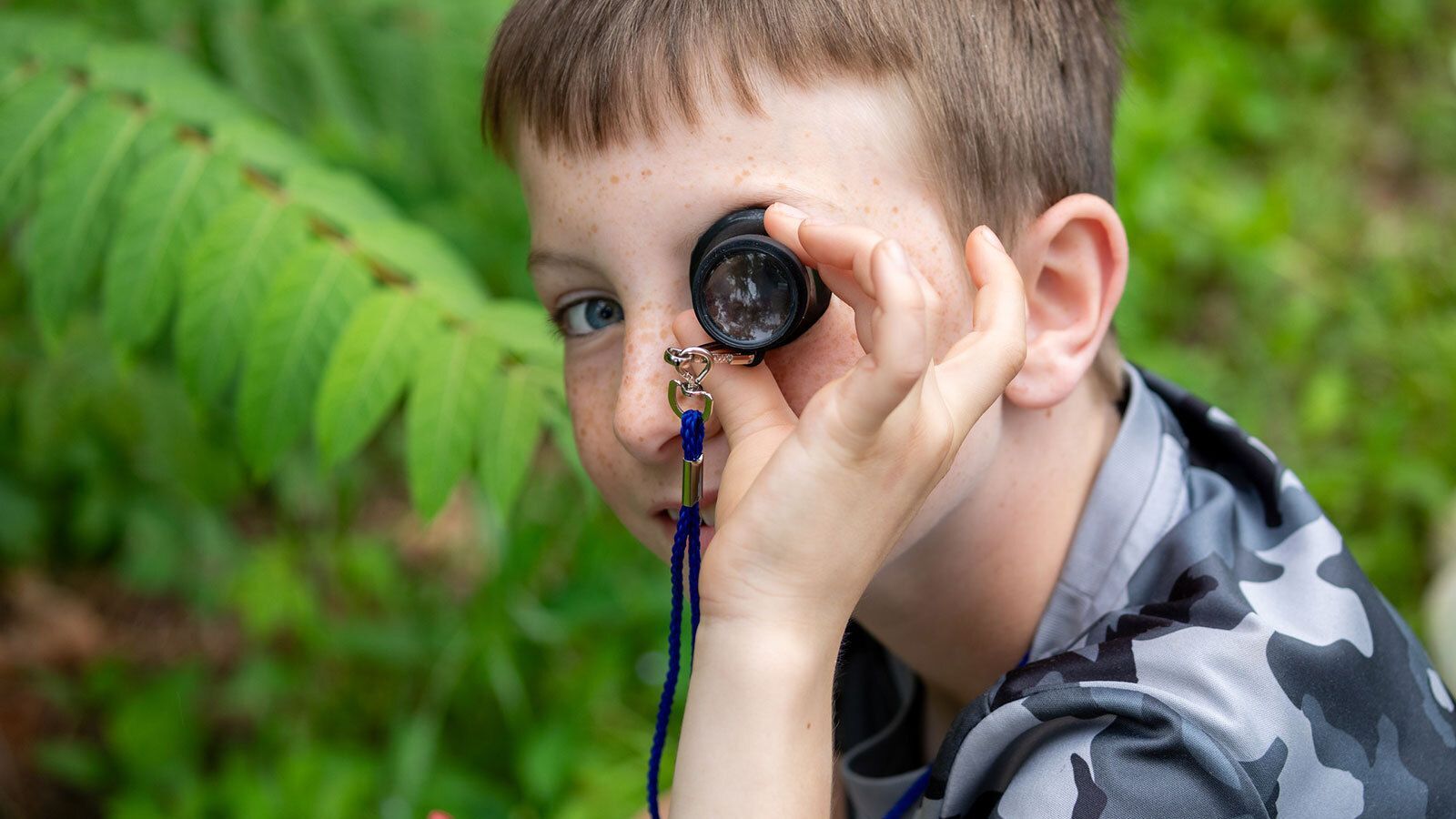
During a recent field trip day at Johnson Farm, we had the chance to lead a nature walk with a group of kindergarten students from Edneyville Elementary.
As we approached the edge of the forest, one student quietly shared that he was scared, telling us he doesn't typically go into the forest and that he was worried there might be bears. The closer we got, the more unsure he looked.
So, we made a plan:
If there were any bears, we would become bears ourselves!
We started walking like bears, stomping and growling to “scare off” anything nearby, and before long, he was laughing. What started as fear quickly turned into play, and he stayed in character as we made our way into the forest.
Once inside, he began noticing what was around him. Big trees, small leaves, and details that might have seemed uninteresting at first glance. We stopped to draw what we found, taking a closer look, and discovering just how much there is to see when you slow down.
Many of the volunteers and supporters we speak with share how different their own childhoods looked, filled with time outdoors and space to explore, but for many students today, that kind of experience isn’t as common. Opportunities to step into nature, especially in a way that feels safe and fun, matter more than ever.
Each positive interaction with the outdoors helps build familiarity, confidence, and a sense of respect for the natural world. Through our partnership with Johnson Farm, we’re able to create these opportunities, helping students move from uncertainty to curiosity, one experience at a time.
|
|
|
|
It’s also worth noting that while fears like this are very real for students,
black bears in Western North Carolina are generally shy and prefer to avoid people.
In fact, they are the only type of bear in our region, and they typically look for a way to leave an encounter rather than approach it.
When we do spend time in bear habitat, simple practices like staying aware, making noise, and giving wildlife space help keep both people and animals safe. The choice to “become bears” on our walk wasn’t just for fun. By growling, moving together, and making ourselves big, the students were actually practicing one of the key ways people can safely move through bear habitat.
Helping students understand this not only eases fear but also builds respect. The goal isn’t to remove caution, but to replace fear with knowledge, confidence, and a sense of how to safely share space with the wildlife around them.
|
|
|
|
|
|
We’re excited to welcome
Ambre Mehenni
as the new
Communications Coordinator
at Champions for Wildlife! Ambre will be helping bring our stories to life, sharing the incredible work happening across our programs, and connecting more people to our mission.
With a background in the arts, Ambre brings a creative eye and a fresh perspective to how we share our work. She’s excited to find new ways to highlight the people, wildlife, and impact behind Champions for Wildlife.
|
|
|
|
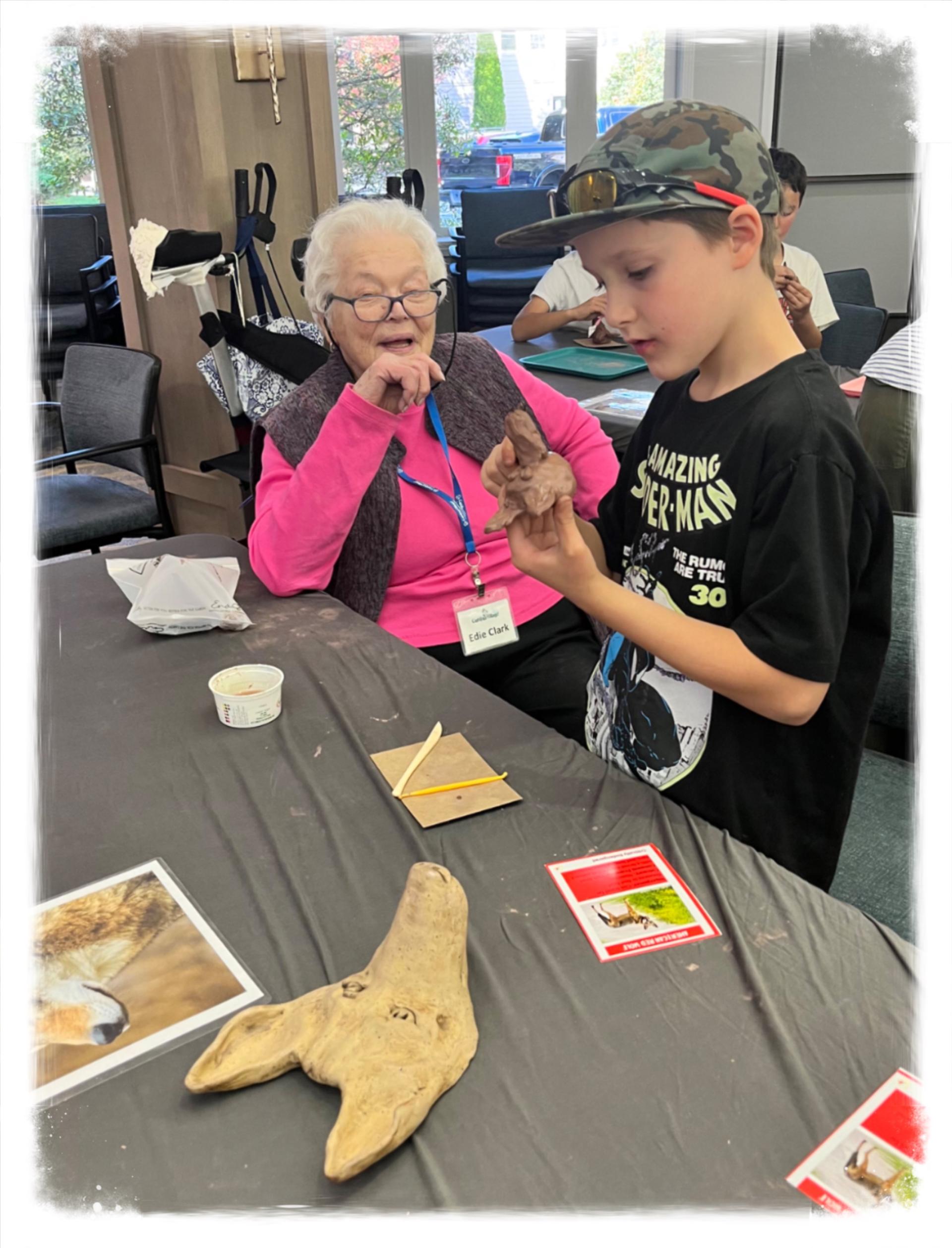
We’ve loved getting to know the residents at Carolina Village in Hendersonville.
A few months ago, we brought students from FernLeaf Charter School to visit for a red wolf program. Students and residents learned side by side and created clay wolves together. It was a special chance to connect across generations.
|
|
|
|
Recently, we returned for their Health Fair and were met with so much excitement. Residents gathered around to explore animal skulls and specimens, eager to learn more about the wildlife around them.
When we asked if anyone would like to help with our programs, the answer was a clear yes. We’re now partnering with their recreation team to create at-home volunteer opportunities. Residents will help prepare materials for our programs from the comfort of their own homes.
Many residents shared how excited they were to be asked to help, and we’re honored to welcome Carolina Village into the Champions for Wildlife community.
While our programs are designed for students, the impact doesn’t stop there.
Research shows that volunteering and staying engaged can support mental health, especially for older adults.
Feeling like a contributing member of a community matters at every stage of life. We’re proud to be building a community where people of all ages can take part, and we’re deeply grateful for every volunteer who helps make this work possible.
|
|
|
|
|
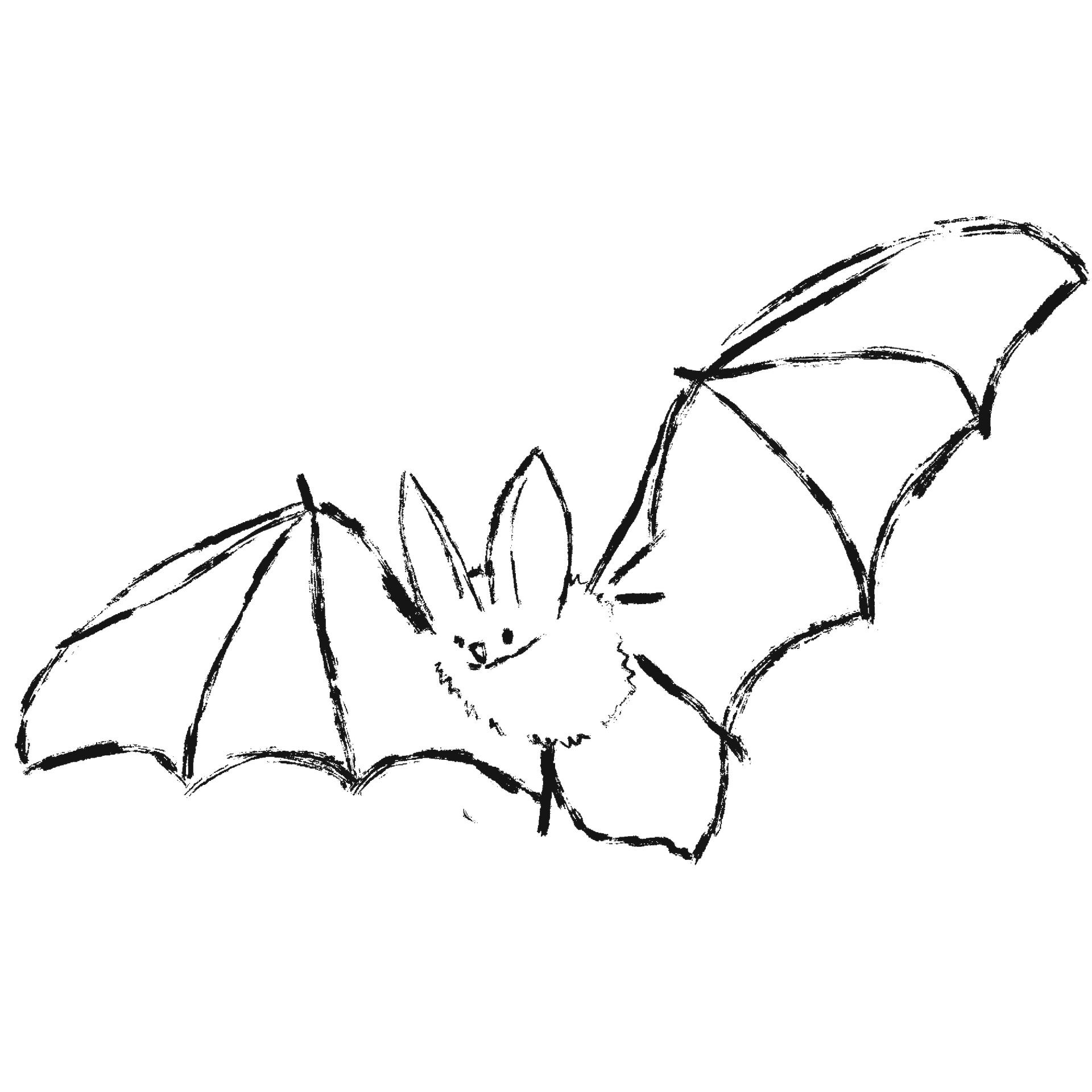
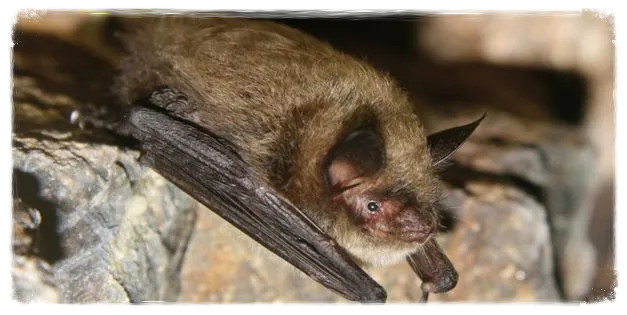
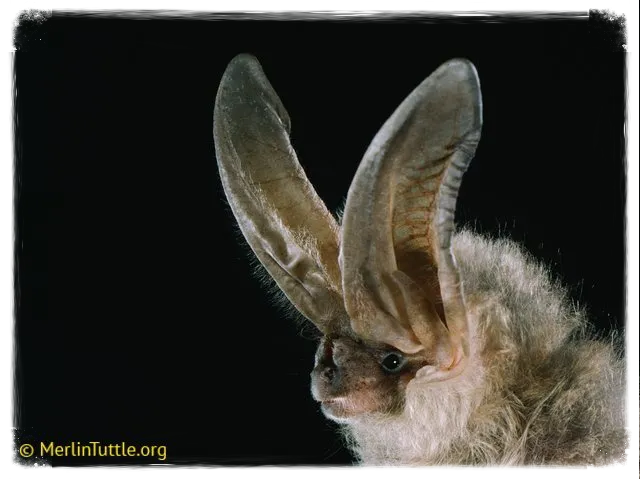
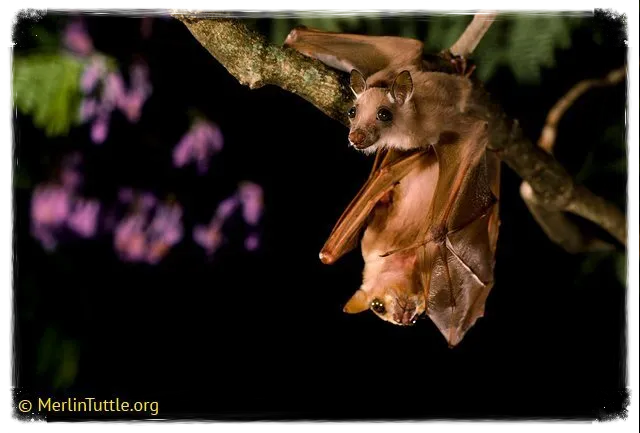
This month, we are wild for bats!
Bats aren’t just for Halloween - they work hard to take care of plants and ecosystems every day of the year.
Do you ever wonder how bats find their food?
Why do they hang upside down? And how fast can they fly?
Our new
Kids Corner Page
,
all about bats, introduces you to bat species across ecosystems, their superpower adaptation to find food, and guides you through a bat art project you can do right at home.
|
|
|
|
|
|
|
|
We don't just have a Kids Corner page on bats, we also have a whole animal page filled with Bat Facts.
But why should we care about bats?
You might be surprised by just how amazing these nighttime neighbors really are.
|
|
|
|
Megabats are big pollinators, pollinating over 500 tropical plants used for food and medicine. Without bats, we wouldn’t have mangoes, agave (the main ingredient in tequila), avocados, cocoa, or bananas.
And they help biodiversity by dispersing seeds through the forest. But one of their most important contributions is the amount of insects the micobats eat. A single bat can eat up to
1,000
mosquitoes
in a night.
Without bats, the insect population would
explode
, many fruits and nuts would cease to exist, and ecosystems that rely on seed dispersal and pollination could collapse. Not a pretty thought. In fact, we believe bats are the most important mammal on our planet, which is why we are motivated to protect them and inspire others to do the same.
|
|
|
|
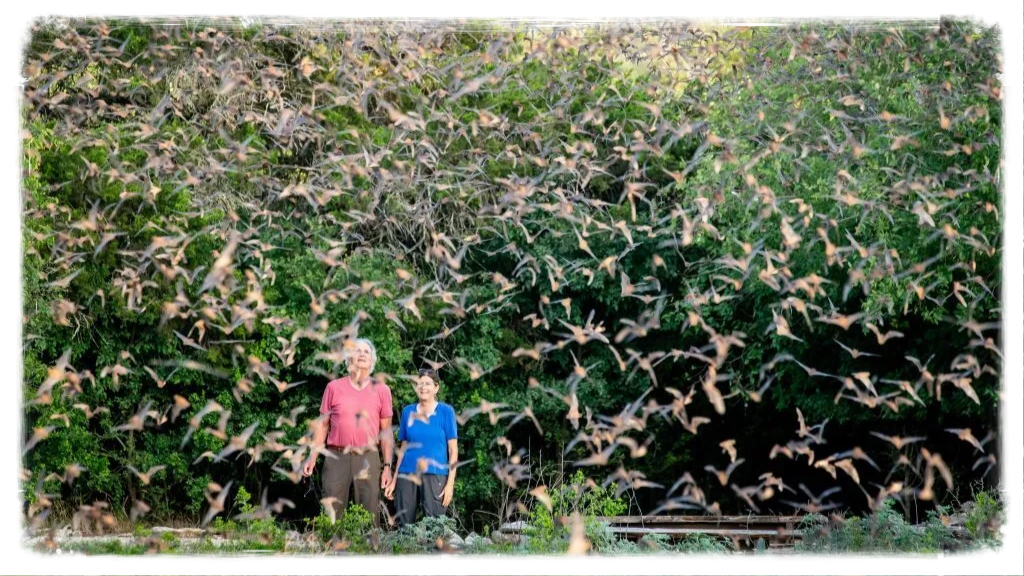
Founders Loti and Dale at Bracken Cave outside San Antonio, Texas where
15 million
bats live during the summer.
Photo: Teresa Nichta
|
|
|
|
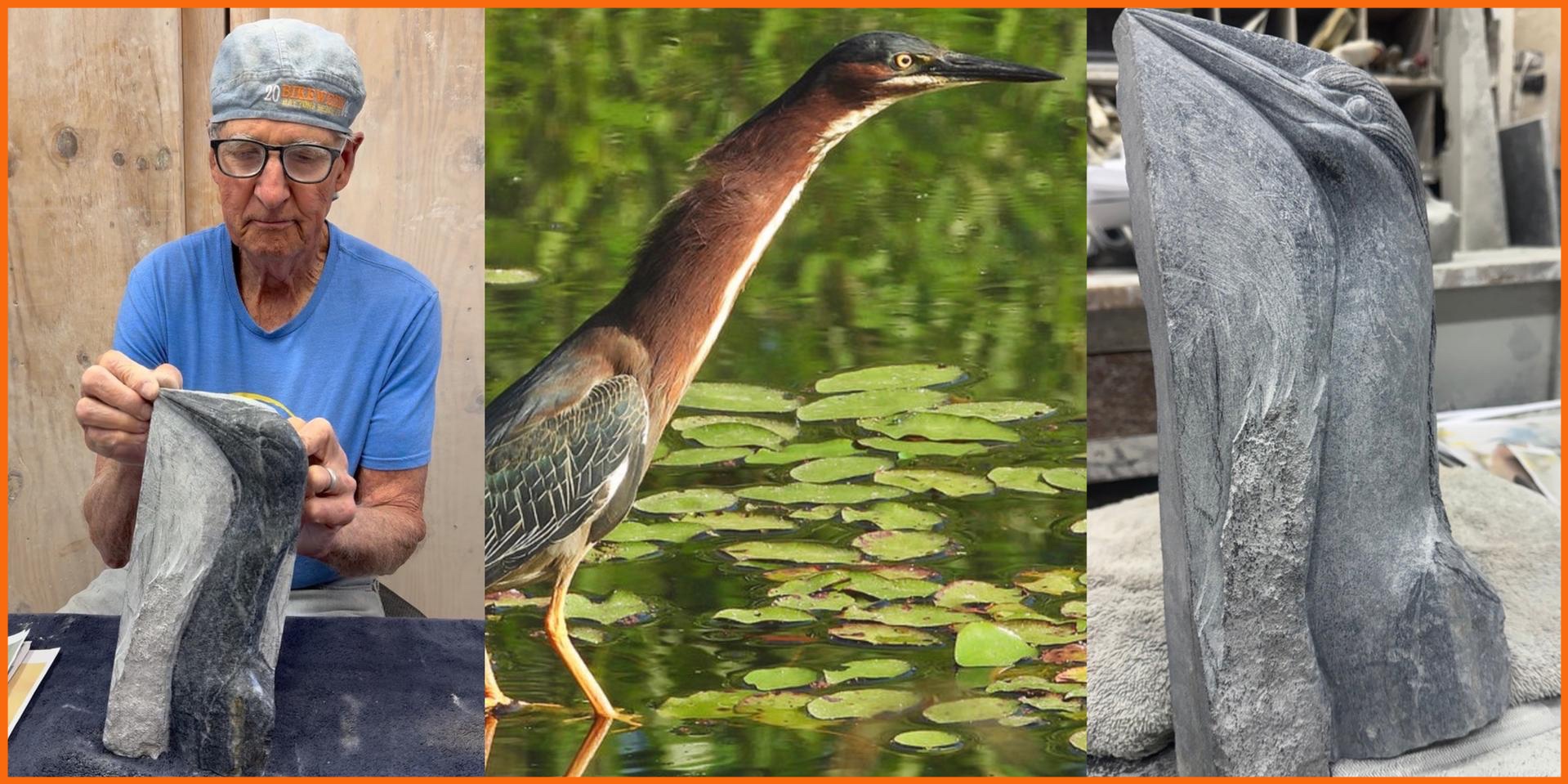
Bringing the Green Heron to Life
Dale is making exciting progress on his Green Heron piece, with the composition now fully blocked in and taking on its intended form. The graceful curve of the heron’s neck has become a defining feature, guiding the overall flow of the design.
|
|
|
|
At the suggestion of Loti, Dale introduced cattails and reeds into the negative space, an addition that not only balances the composition but also echoes the natural lines of the bird. These elements now move in harmony with the heron, enhancing both depth and movement within the piece.
With the structure in place, Dale is beginning to refine the details. By wetting the stone, he reveals its finished character: a rich jet-black surface with striking natural veining. One vein runs directly through the heron’s pupil, an effect Dale describes as
Mother Nature “being especially accommodating.”
Stay tuned as this beautiful work continues to evolve!
|
|
|
|
Interested in purchasing a wildlife sculpture?
Find more info on our website, shop around, and help to make the mission of Champions for Wildlife possible.
100% of sales go towards supporting our Wild for Art programs and our other initiatives.
|
|
|
|
|
|