What happens when a group of third graders spends six weeks learning about box turtles?
Apparently,
they become
wildlife champions!
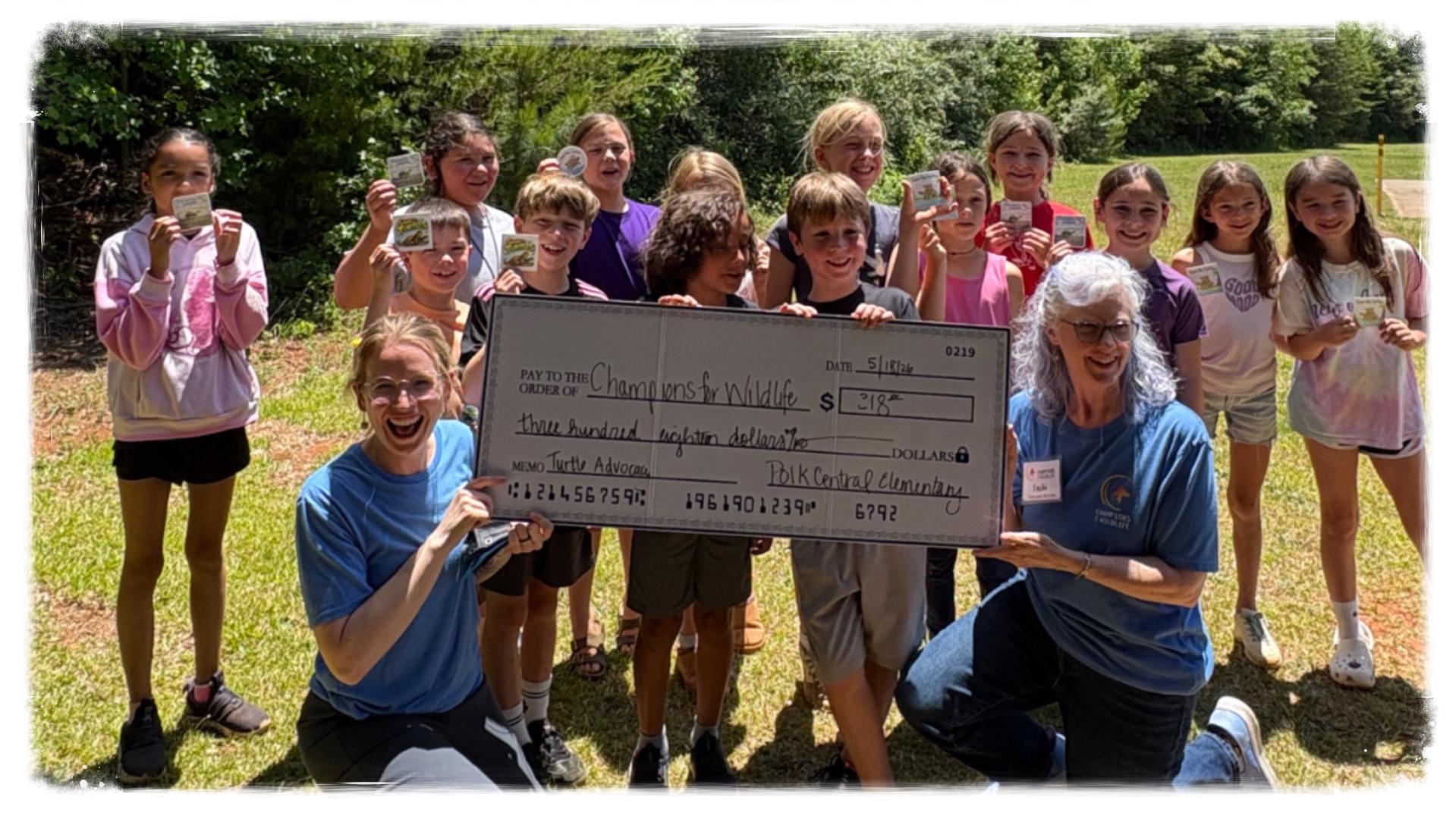
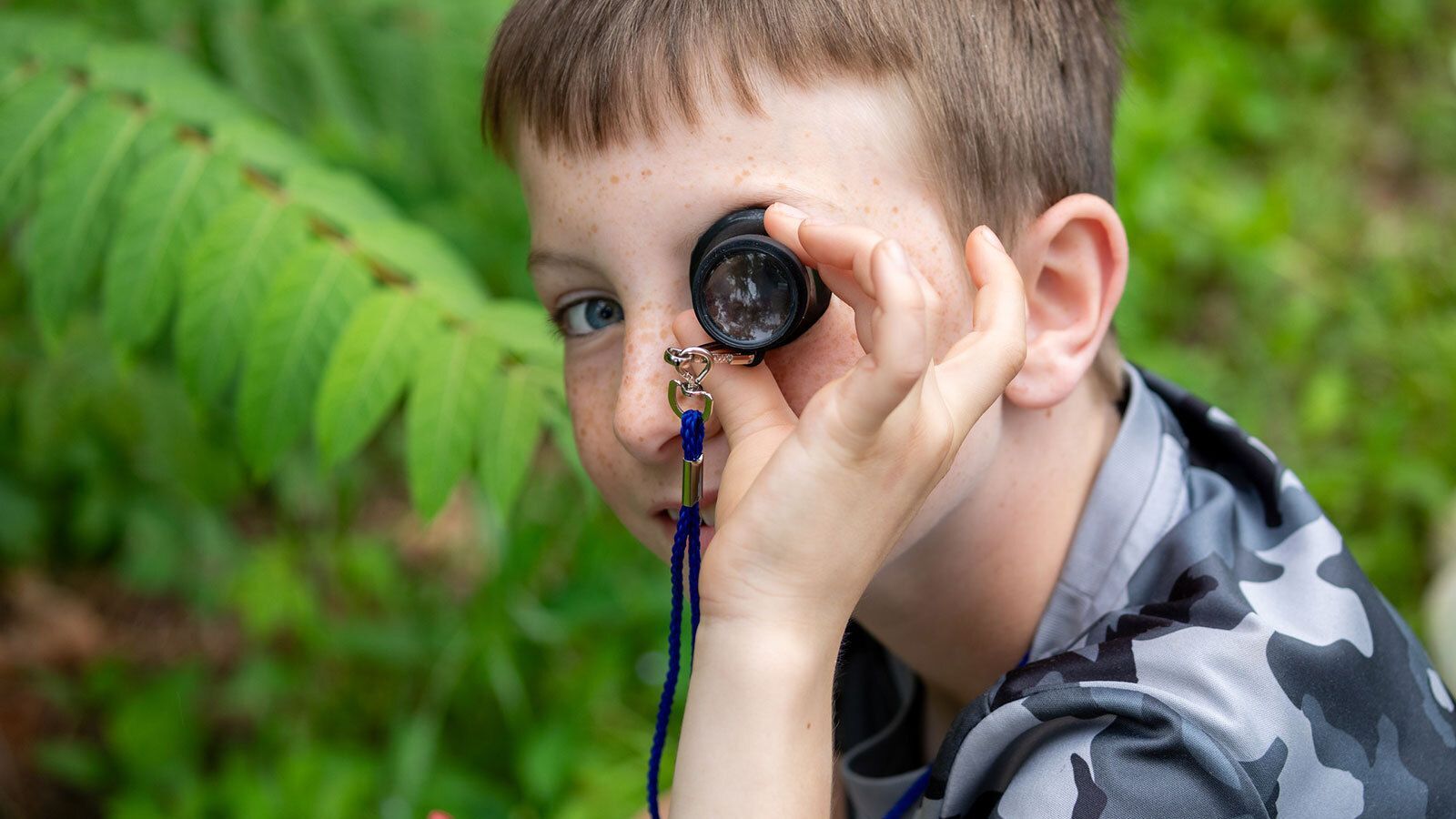
This spring, students at Polk Central Elementary turned their newfound turtle knowledge into colorful conservation stickers, blending science, creativity, marketing, and real-world problem-solving. Along the way, they learned fascinating facts about Eastern Box Turtles, explored nature trails, filled nature journals with observations, and discovered how a small creative project can help protect wildlife.
|
|
|
|
|
|
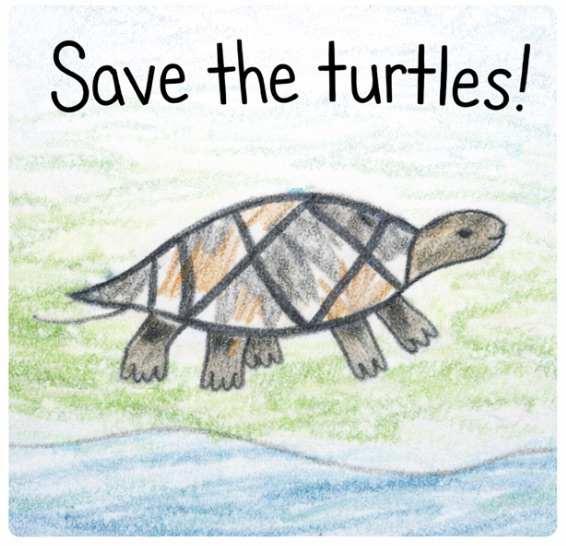
Inspired by what they had discovered, students transformed their knowledge into stickers they designed themselves to help educate others about Eastern Box Turtles and the importance of protecting wildlife. Their creations became a way to share conservation messages beyond the classroom.
The project is a wonderful example of what can happen when young people are given the opportunity to connect with nature in meaningful ways. At Champions for Wildlife, we often talk about the power of education to inspire the next generation of conservation leaders. Stories like this remind us why that work matters. Every child who develops a connection to wildlife today becomes someone who is more likely to protect it tomorrow.
They explored the natural world. They created wildlife-awareness stickers. And now, they're helping protect the species they learned to love.
|
|
|
|
“
This is what Champions for Wildlife is all about: helping kids explore wildlife, create something meaningful, and begin to understand that their voices can help protect the species they are learning about.
” Tashi Brewster, Executive Director, Champions for Wildlife
|
|
|
|
|
|
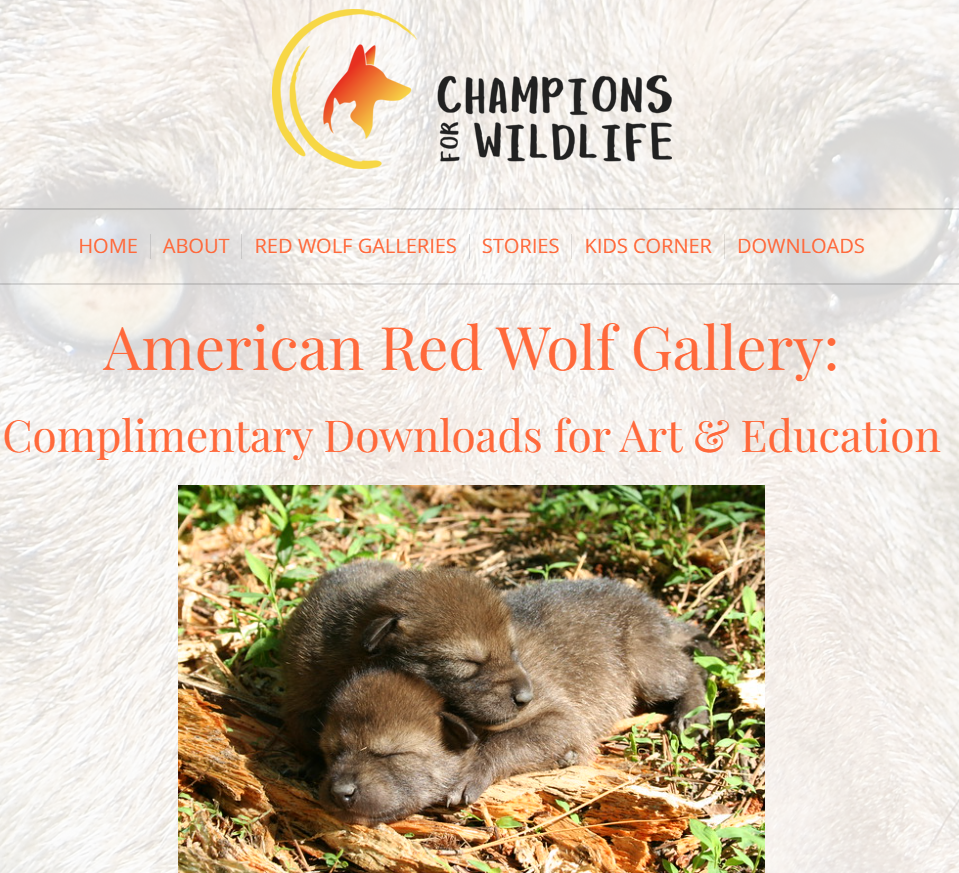
There is hopeful news from the world of Red Wolf conservation!
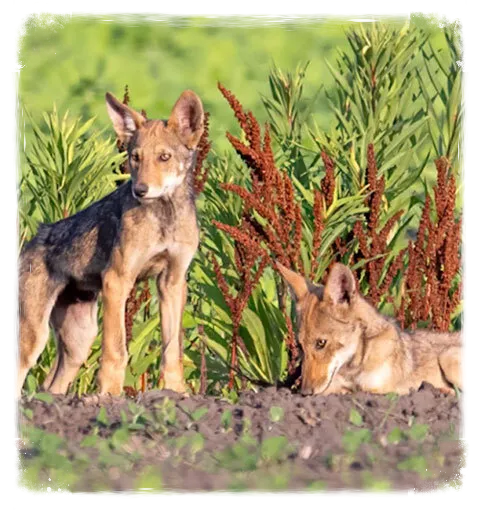
In the past few months, Red Wolf pups have been welcomed at several facilities across the country, including five pups at the Museum of Life and Science in Durham, North Carolina.
These births are part of the Red Wolf SAFE program, a collaborative effort that supports conservation for this critically endangered species by maintaining a healthy Red Wolf population under human care.
This work also helps expand education and awareness while supporting research important to Red Wolf recovery and management.
Each pup matters! Red Wolves are native to the southeastern United States and remain one of the world’s most endangered canids. Every successful birth helps strengthen the future of this remarkable species.
|
|
|
|
|
|
Want to learn more about Red Wolves or share resources with others?
Visit our Red Wolf Gallery, a
free
resource for Red Wolf advocates, educators, and wildlife partners. You’ll find photos, education and outreach materials, recovery updates, films, short clips, and stories from the field.
Whether you are teaching students, sharing Red Wolf information with your community, or simply wanting to learn more about this critically endangered species, the gallery brings together resources to help more people understand why Red Wolves matter.
|
|
|
|
|
|
We wrapped up our after-school program at Tryon Elementary with the final lesson from our invertebrates unit. Students revisited the creatures they had spent the past months learning about, including mussels, roly polies, moths, dragonflies, and ants, along with a few local favorites like carpenter bees, fireflies, and hoverflies.
What started weeks ago for many of them as hesitation around “
creepy crawlies
” had clearly shifted. Students who once felt unsure were now excited to observe, handle, and learn more about these amazing invertebrates.
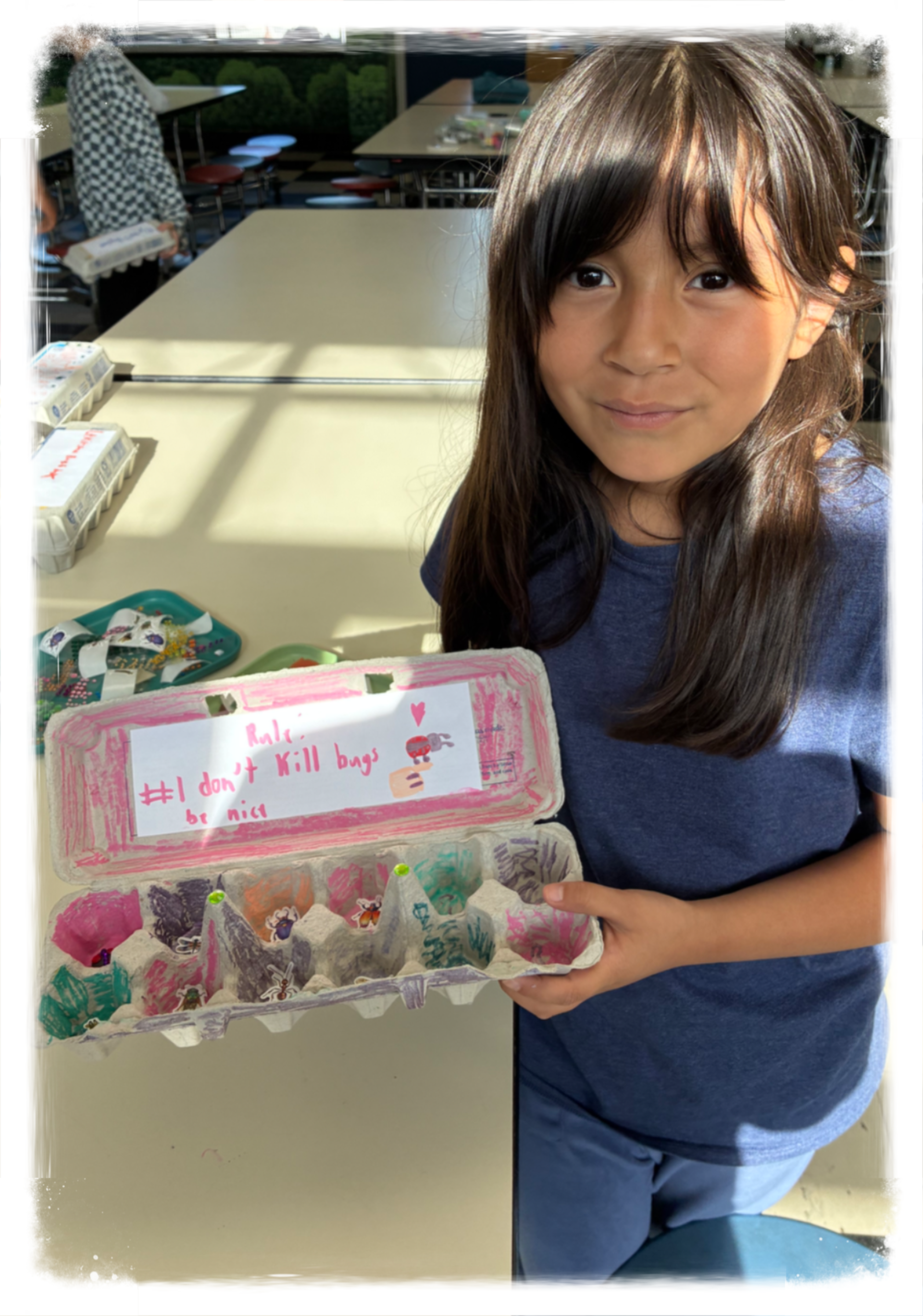
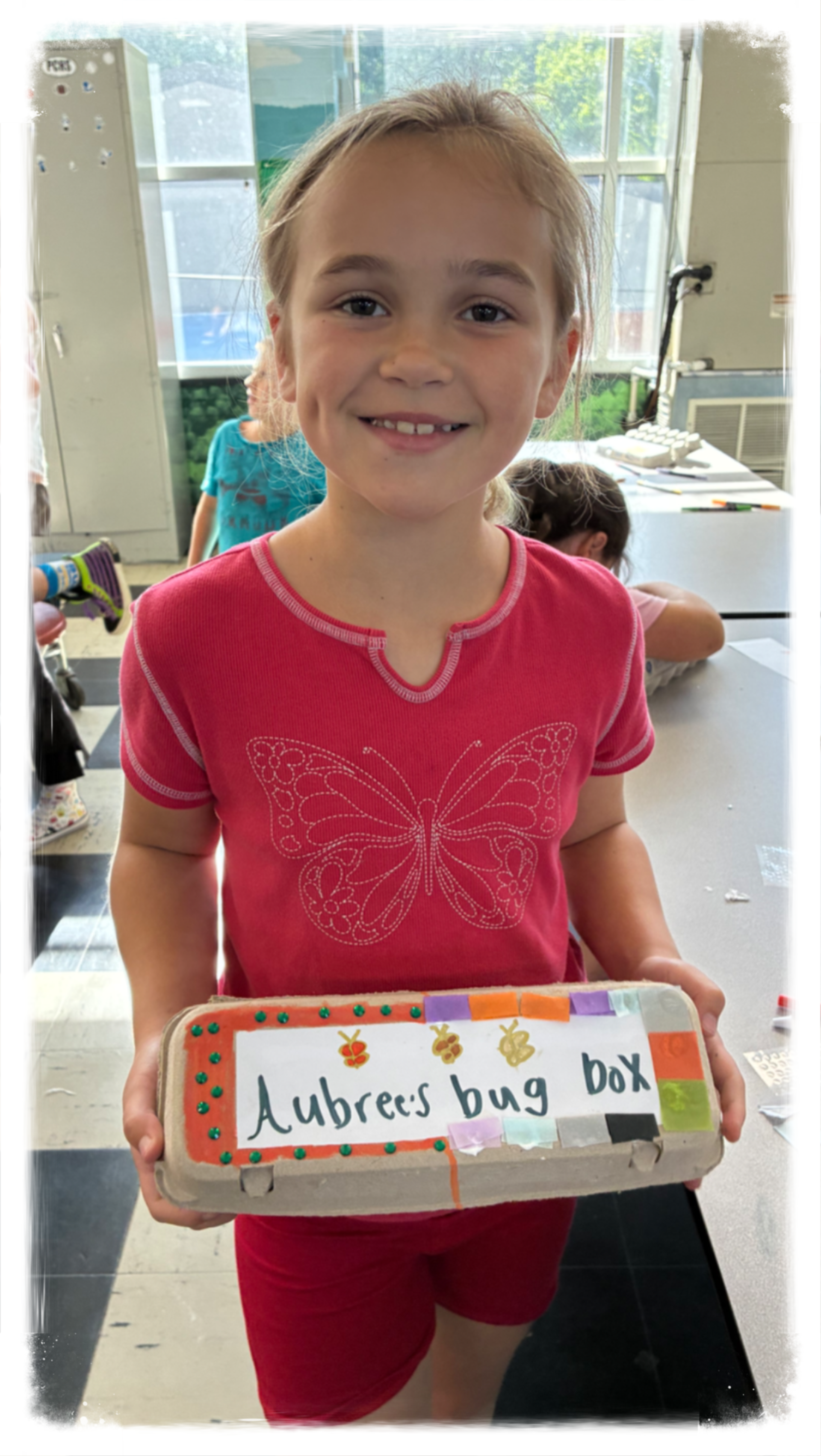
For their final project, students created their own “dead bug collections” using recycled egg cartons donated by members of our community. Throughout the semester, they explored specimens from our collection, many of which were also donated over time. These insects, collected only after they had naturally passed, helped students move from discomfort to curiosity.
|
|
|
|
As they worked, students created labels with one important rule: do not kill bugs. They added their own ideas as well, writing things like “be kind to bugs” and “be friendly to bugs.”
One student took this even further. She shared that she “had arachnophobia” and wanted to try “exposure therapy.” She started with a resin-encased spider, slowly working her way closer until she was able to hold it. By the end, she had moved on to holding one of the real specimens and proudly told her mom she had been “CURED!”
For students not ready to engage with real insects, we offered another way to participate by creating and painting their own “specimens” using stones shaped like their favorite bugs.
By the end of the semester, students weren’t just learning about invertebrates. They were seeing them differently.
|
|
|
|
|
Moments like these are at the heart of Champions for Wildlife: helping kids explore the natural world, create through art, and begin to see themselves as protectors of the wildlife around them.
|
|
|
|
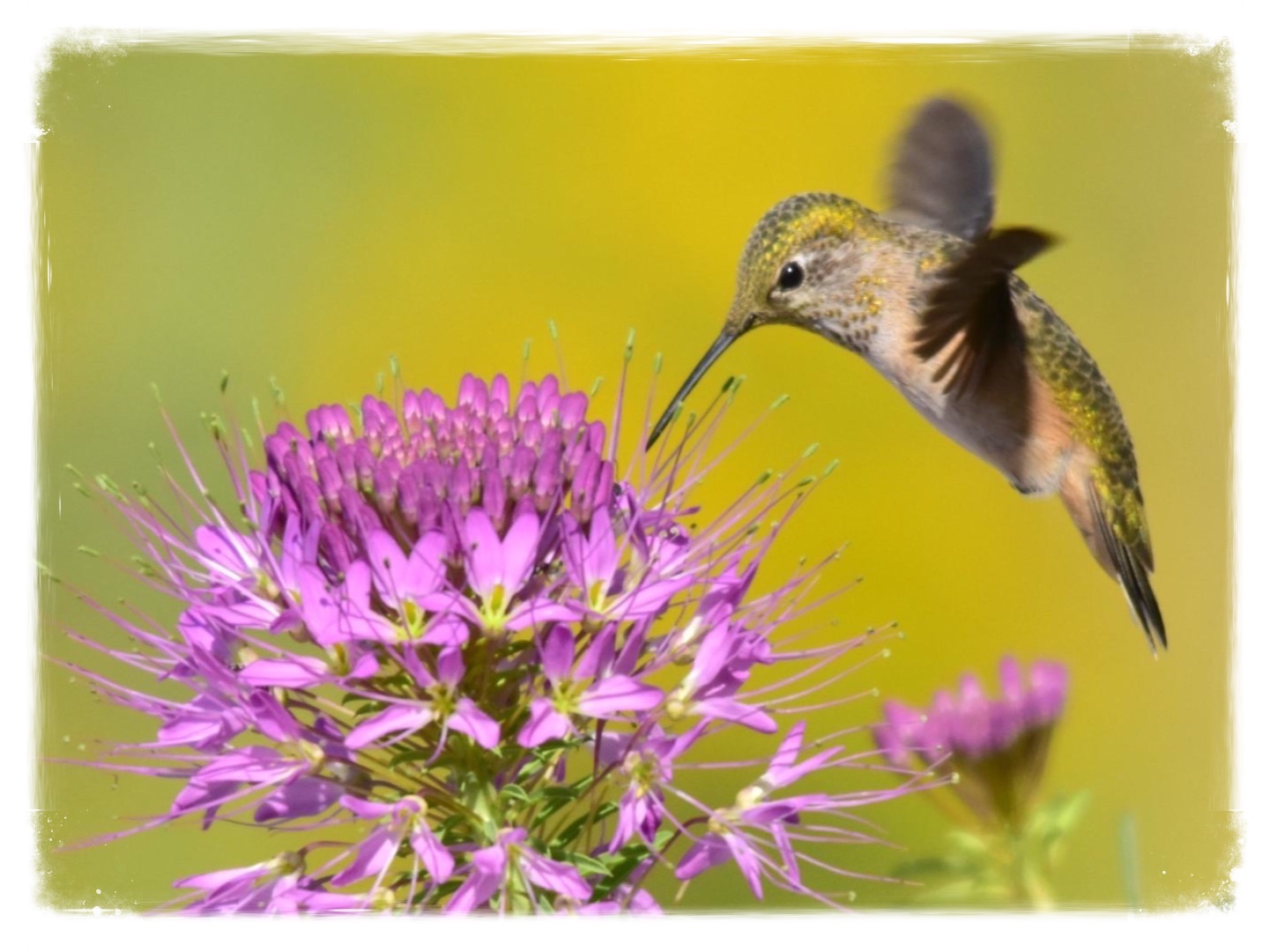
Hummingbird - Tom Koerner/USFWS
|
|
|
Summertime is a great time to see birds. When you step outside, you may hear bird songs, see a bird flutter past, or maybe even get the chance to watch a bird for a while.
What is your favorite bird to see?
Our Kids Corner page on Backyard Birds features a birding scavenger hunt, coloring page, and a wildlife craft you can do right at home to expand your appreciation of and understanding of these magnificent creatures!
Fun Facts - did you know?
Some birds, like hummingbirds, can flap their wings over
50 times a second!
Blue Jays can
mimic
the calls of hawks.
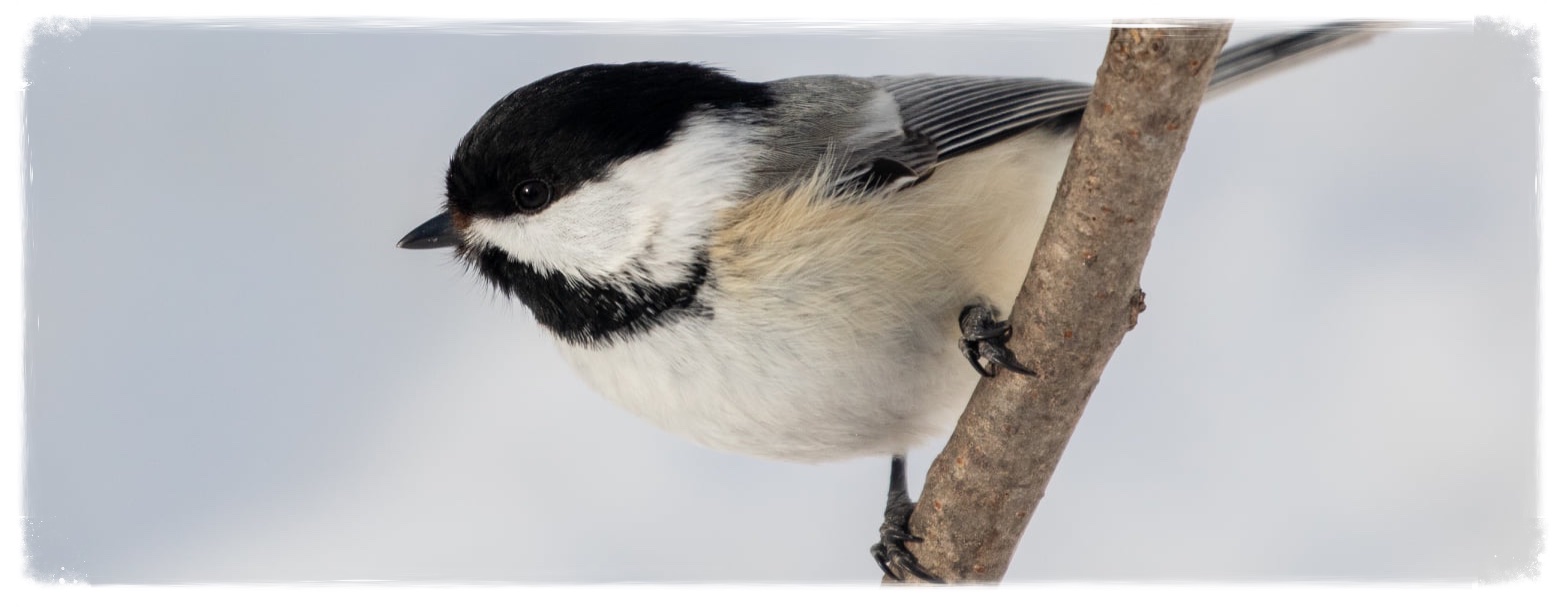
Chickadees say their name when they call
“chick-a-dee-dee-dee!”
|
|
|
|
Chickadee - Robert Larson
|
|
|
|
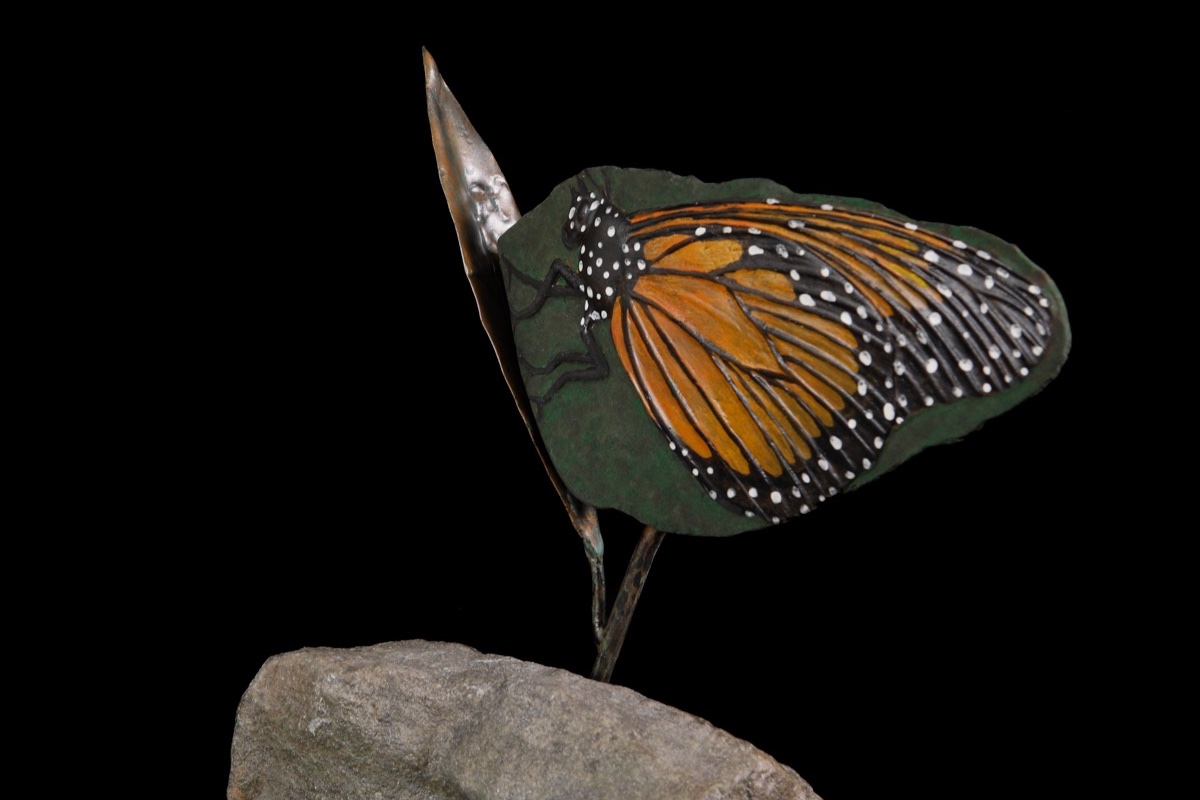
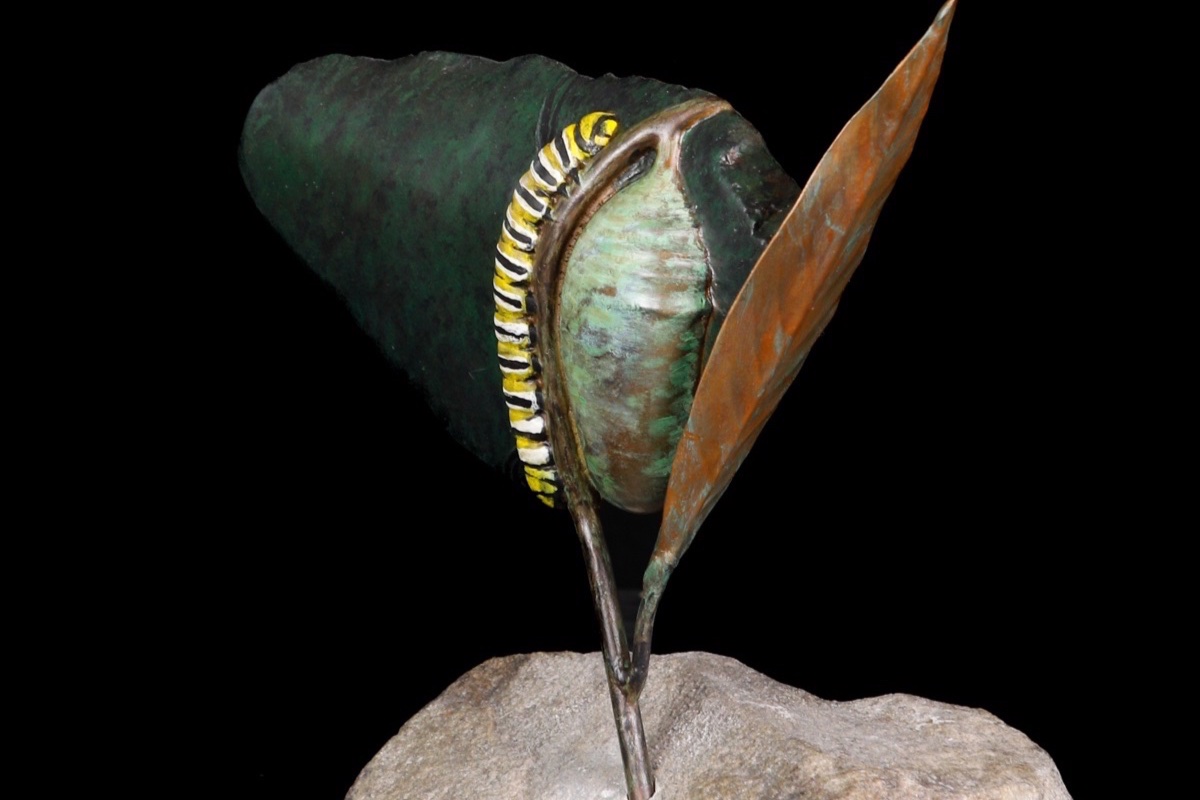
Limited-edition, hand-painted bronze sculptures, called "
Metamorphosis Magic
,"
depicting the life stages of a monarch butterfly are still available.
|
As you might remember from one of our earlier newsletters, only 10 of these bronze Monarchs will be created,
and as of now, there are only 5 left!
Each piece is $2,000, plus applicable North Carolina sales tax and shipping.
|
|
|
|
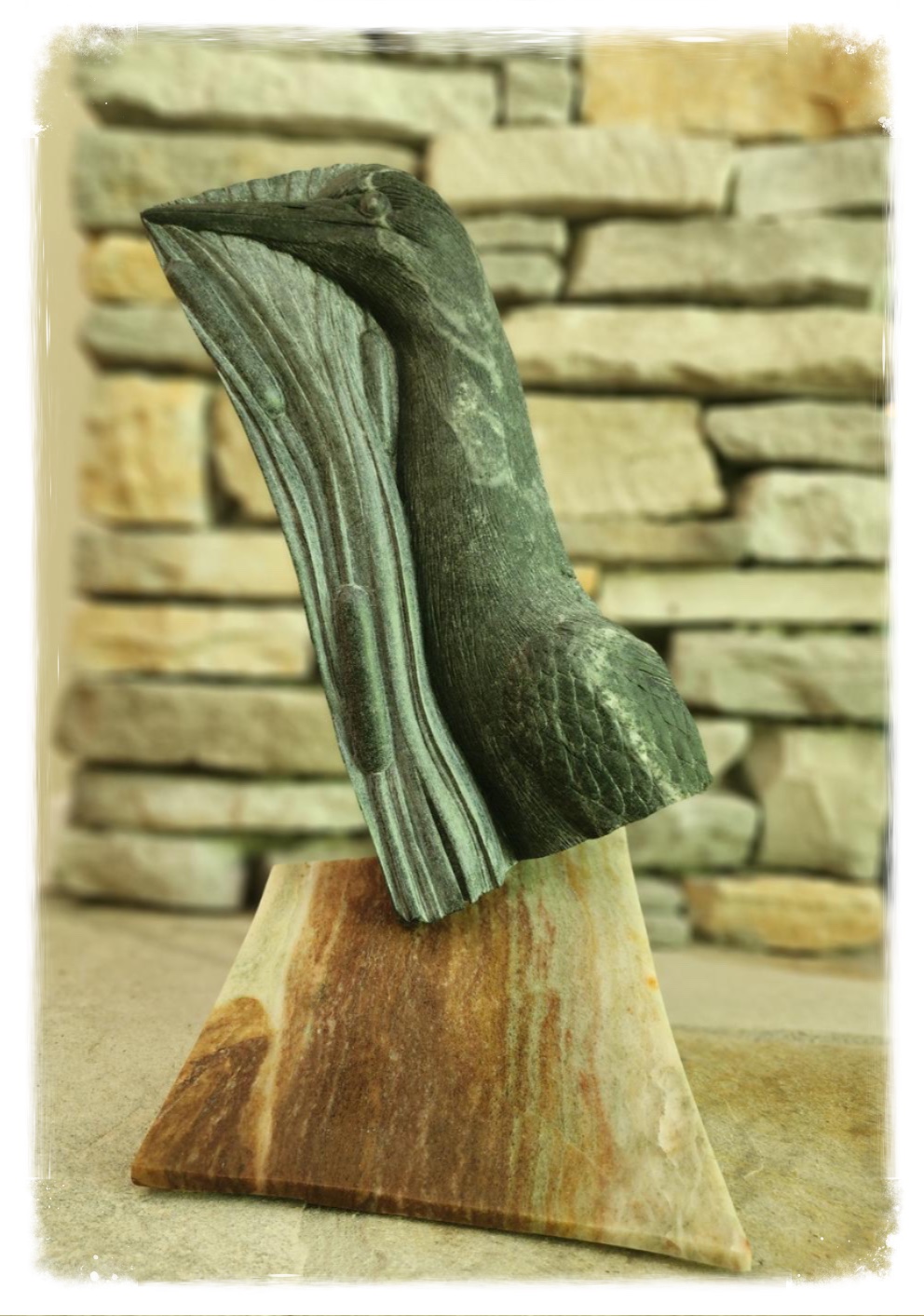
The Green Heron Sculpture is also finished and available.
Dale shared that the genesis of the green heron bas-relief was the sight of a perfect outline of a heron's graceful neck in the stone.
The varying shades of grey to black in the stone soften the piece's feel and lend it a mystical air.
Dale chose this particular piece of alabaster for the base because its coloration captures many of those found in the green heron.
Dale named this one: In The Still Of The Night
|
|
|
|
|
Your purchase of one of these beautiful donated works of art will support Champions for Wildlife’s programs, making each sculpture a meaningful way to help wildlife learning through art.
We are deeply grateful to our talented Co-founder, Dale Weiler, for his generosity with his amazing talent!
|
|
|
|
|