Armadillos in Western North Carolina might sound like something from a Texas story, but these unusual animals are now part of our Western NC mountain wildlife. More people across Polk County are seeing armadillos crossing roads, digging in yards, and wandering through forests.
Scientists believe warmer winters have helped them survive in places that once were too cold. Originally from South America, the nine-banded armadillo has been spreading into Texas and across the southern United States.
As a child, my grandmother in Florida used to have them in her yard all the time. I always wanted to go out and play with them, but my mom always overruled me. Now, armadillos can be found across much of the Southeast, including Western North Carolina. So while they are not native to NC, they are here to stay.
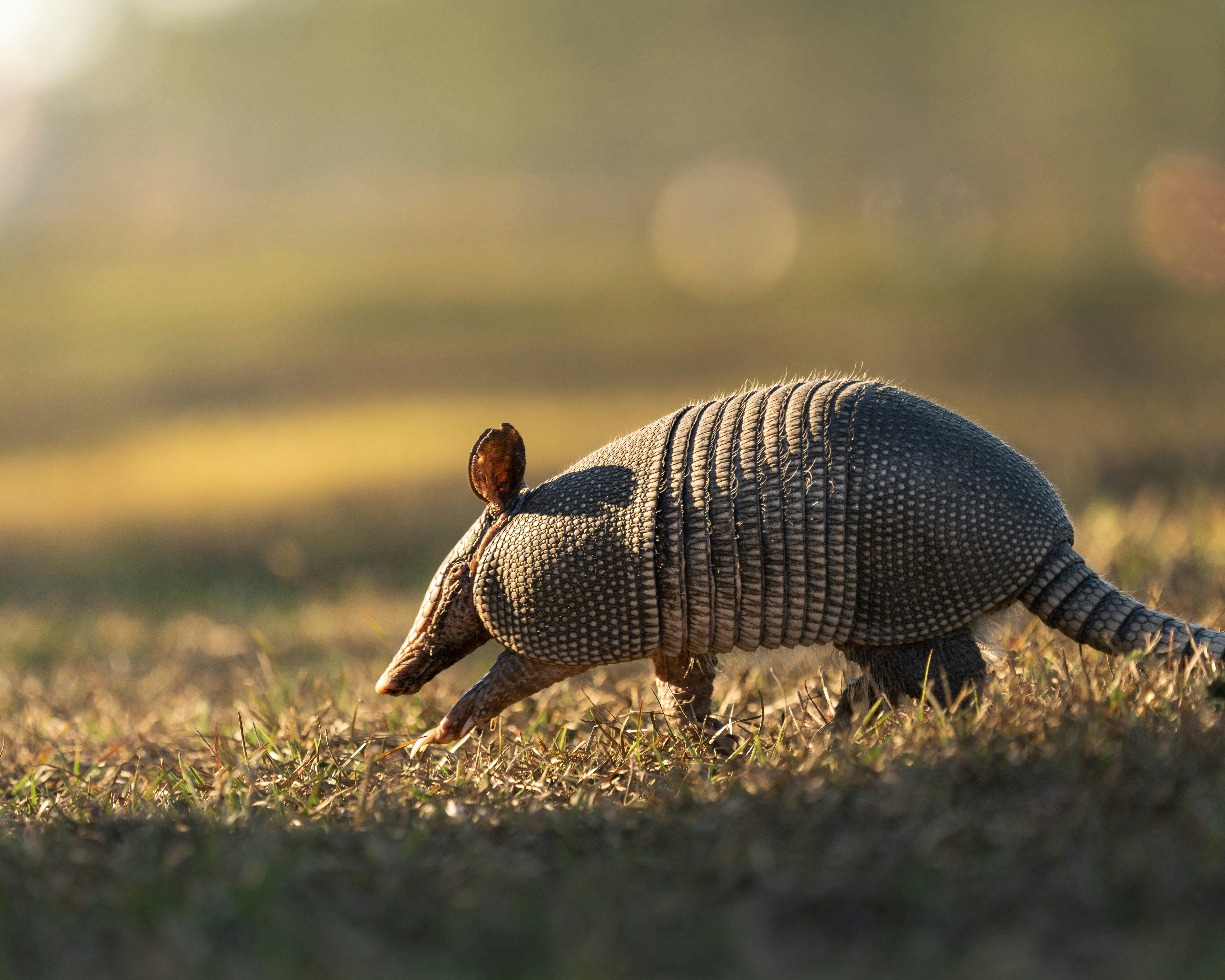
If you have never seen one up close, an armadillo is hard to forget. With their long noses, short legs, sharp claws, and shells made of tough plates that resemble armor, they are prehistoric-looking. One of the funniest things about armadillos is how dramatic they can be when startled. Instead of quietly running away, they will jump straight into the air. Unfortunately, this is why so many are hit by cars. A startled armadillo can leap into the underside of a passing vehicle.
And who would guess they are excellent swimmers? Armadillos can gulp air into their stomachs to help them float while crossing rivers and creeks. Sometimes they even walk along the bottom of shallow water, holding their breath, like mini underwater tanks.
Another strange fact is that nine-banded armadillos almost always give birth to four identical babies. Now that's wild. All four babies come from a single egg, meaning they are genetically identical and always the same sex. Are there any other animals that give birth to identical quadruplets? Nope, they are the only ones in the world!
But wait, there is more. They actually play an important role in nature. They spend most of their nights digging through the soil in search of ants, beetles, termites, worms, and grubs. By eating large numbers of insects, armadillos help control their populations.
Their digging also helps the environment in surprising ways. A single armadillo may create 5 to 15 burrows in its territory with tunnels stretching more than 15 feet underground. While you may not love finding holes in your yard, these burrows become valuable shelters for other animals.
Rabbits, frogs, snakes, turtles, and skunks use abandoned burrows after the armadillo leaves. The tunnels stay cooler during hot weather and warmer during cold weather, giving wildlife a safe, comfortable place to hide. Scientists sometimes call armadillos "ecosystem engineers" because their digging changes the environment in ways that help many other species survive.
Their digging also loosens soil and helps rainwater soak deep into the ground. Especially in times of drought, this helps improve the soil and helps plants grow.
So let's talk about leprosy. Yes, a small number of armadillos can carry bacteria connected to the disease. Yikes! However, health experts say the risk to humans is extremely low, with no reported fatalities from leprosy contracted from an armadillo. The disease is difficult to spread, and most people will never have a problem. Just don't handle wild armadillos, and wash your hands after working in areas where animals may have been digging. Common sense.
And they're survivors because they are incredibly adaptable. Very few predators want to tackle their armor. Locally, their main predators are coyotes, bears, birds of prey, and bobcats. As forests, weather, and habitats shift, these armored little travelers continue moving into new areas. Whether you think they are cute, strange, or just plain weird-looking (I'm in the cute category), armadillos are now part of life in Western North Carolina.
Let's welcome these unusual non-native neighbors as part of our changing mountain wildlife, because their digging, insect hunting, and burrows help create healthier ecosystems for countless other animals and enrich our communities.